VRF vs Central AC for Villas | Which Is Better? (2026)
VRF vs Central AC: Which Is Right for Your Villa in Riyadh?
Choosing between a VRF (Variable Refrigerant Flow) system and a traditional central AC system is one of the biggest decisions villa owners face in Riyadh. Both cool large spaces effectively, but they differ significantly in installation cost, energy efficiency, and long-term comfort. This guide breaks down the key differences in plain terms so you can make an informed choice.
What Is a VRF System?
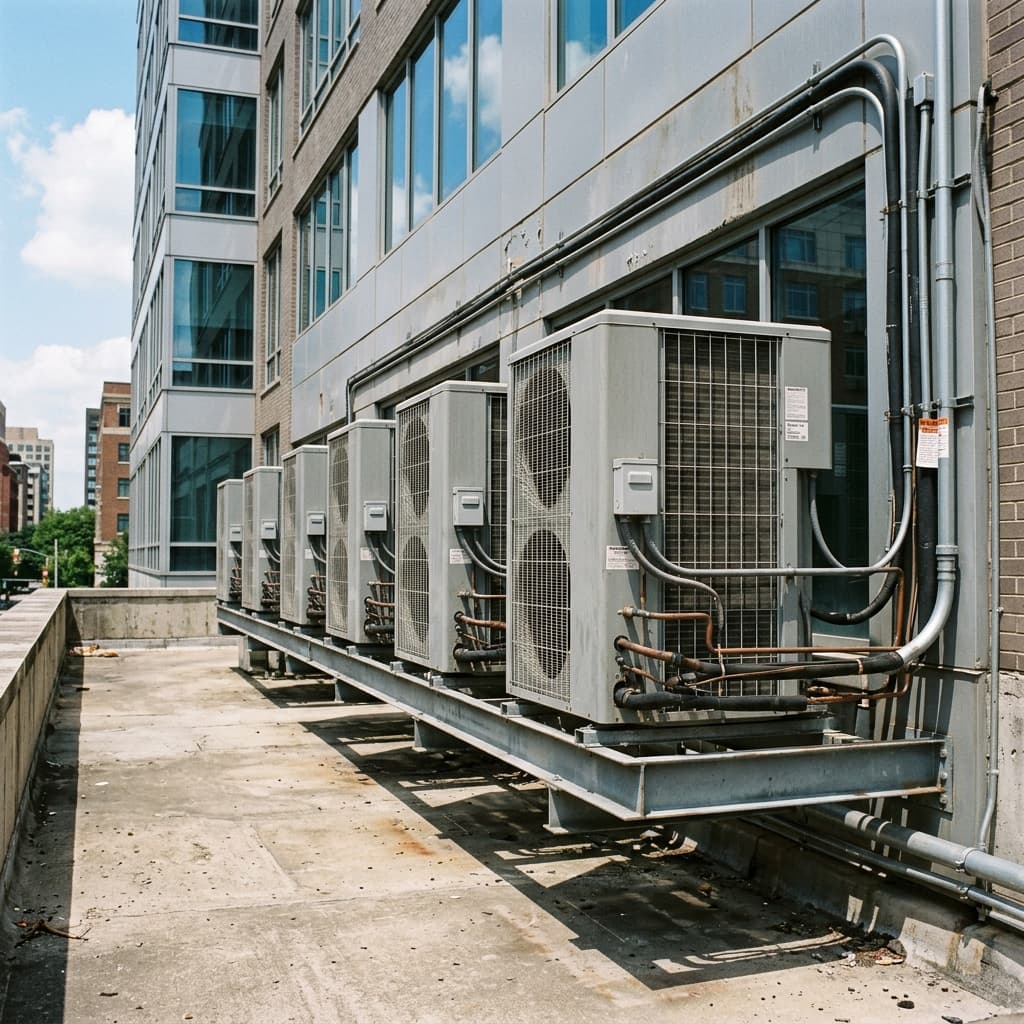
A VRF system uses a single outdoor unit connected to multiple indoor units placed throughout the villa. Each indoor unit can be controlled independently, meaning every room can be set to a different temperature without affecting the others. This makes VRF especially effective in multi-story villas or homes with complex layouts.
What Is Central AC?
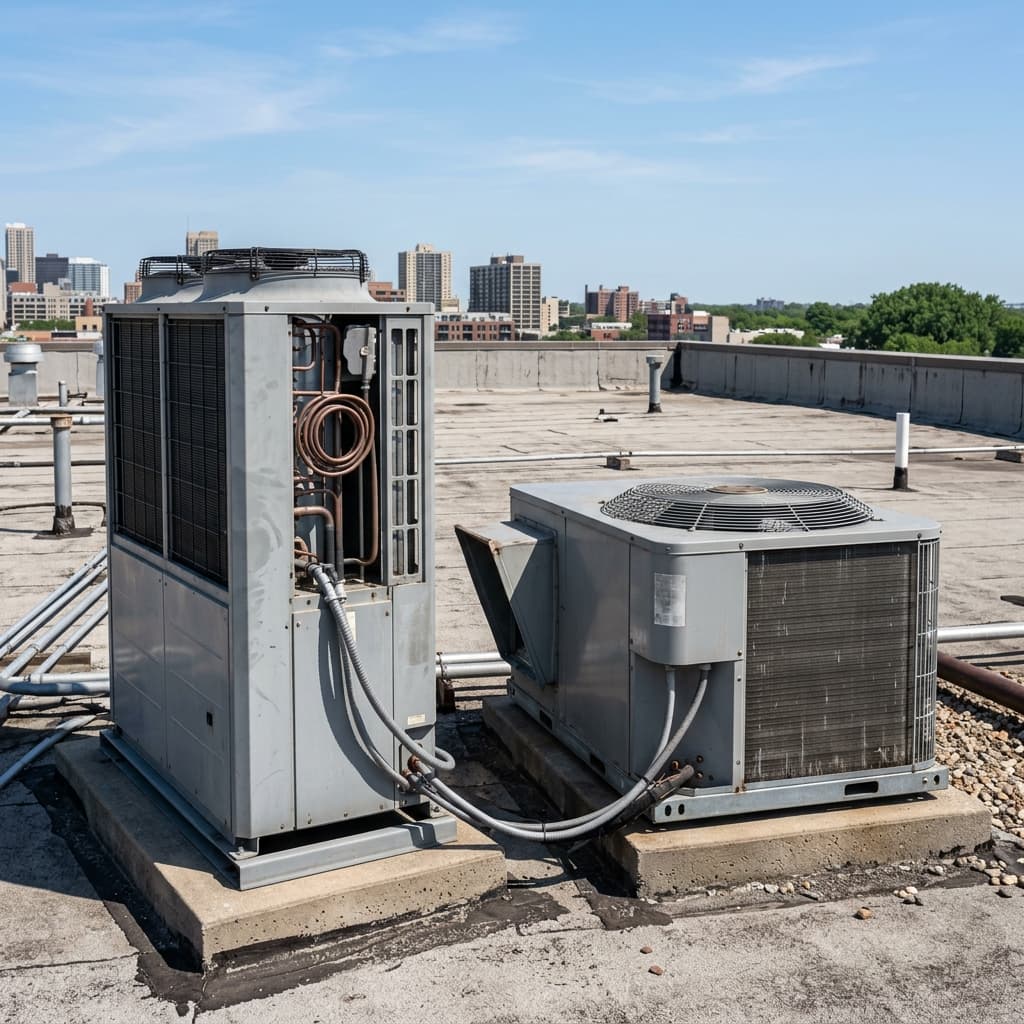
Central AC relies on one main cooling unit that distributes cold air through a network of ducts to every room. It typically maintains a uniform temperature across the connected zone unless the system is divided into separate zones. This is a common and familiar setup in traditional Saudi villas.
Key Differences
- Room-by-room control: VRF allows each room to run at a different temperature simultaneously. Standard central AC (without zoning) delivers a more uniform temperature across the space.
- Upfront installation cost: VRF installation is generally more expensive due to the complexity of multiple independently-controlled indoor units. Central AC is typically more economical for mid-sized villas.
- Energy efficiency: VRF only cools rooms actually in use, reducing consumption when parts of the villa are empty. Central AC without zoning may cool unused areas, increasing electricity use.
- Ease of installation in existing villas: VRF is easier to retrofit into already-built villas since it doesn't require extensive ductwork. Central AC needs careful duct planning, ideally done during construction.
- Space and interior design: Central AC needs ceiling space for ducts. VRF indoor units (wall-mounted or cassette type) need less structural space but appear as visible units in each room unless concealed by design.
Which One Fits Your Villa?
- Villa size and floors: Larger, multi-story villas benefit more from VRF's room-by-room flexibility.
- Construction stage: If the villa is still being designed, planning concealed ductwork is easier. For finished villas, VRF is often the more practical route.
- Budget: Central AC suits those wanting an economical solution for uniform spaces; VRF suits those wanting precise control with a higher budget.
- Usage pattern: Families using specific rooms at different times benefit from VRF's energy-saving flexibility.
Conclusion
There's no universally "better" system — the right choice depends on your villa's layout, budget, and daily usage patterns. Our team in Riyadh can assess your villa's floor plan and provide a free consultation to determine whether VRF or central AC installation suits your needs best.
FAQ
Is VRF more expensive than central AC? Usually yes for upfront installation, but it can save on electricity long-term due to individual room control.
Can VRF be installed in an existing villa without major construction? Yes — this is one of VRF's biggest advantages over central AC, which usually needs extensive duct installation.
Which system is better for large multi-floor villas? VRF is generally more flexible for large villas due to independent control of each zone or floor.
Learn more about our VRF AC installation services and Central AC solutions in Riyadh.